







Numbers Game, 2025
Co-Prosperity (Chicago): https://coprosperity.org/chicago/2025/6/27/numbers-game
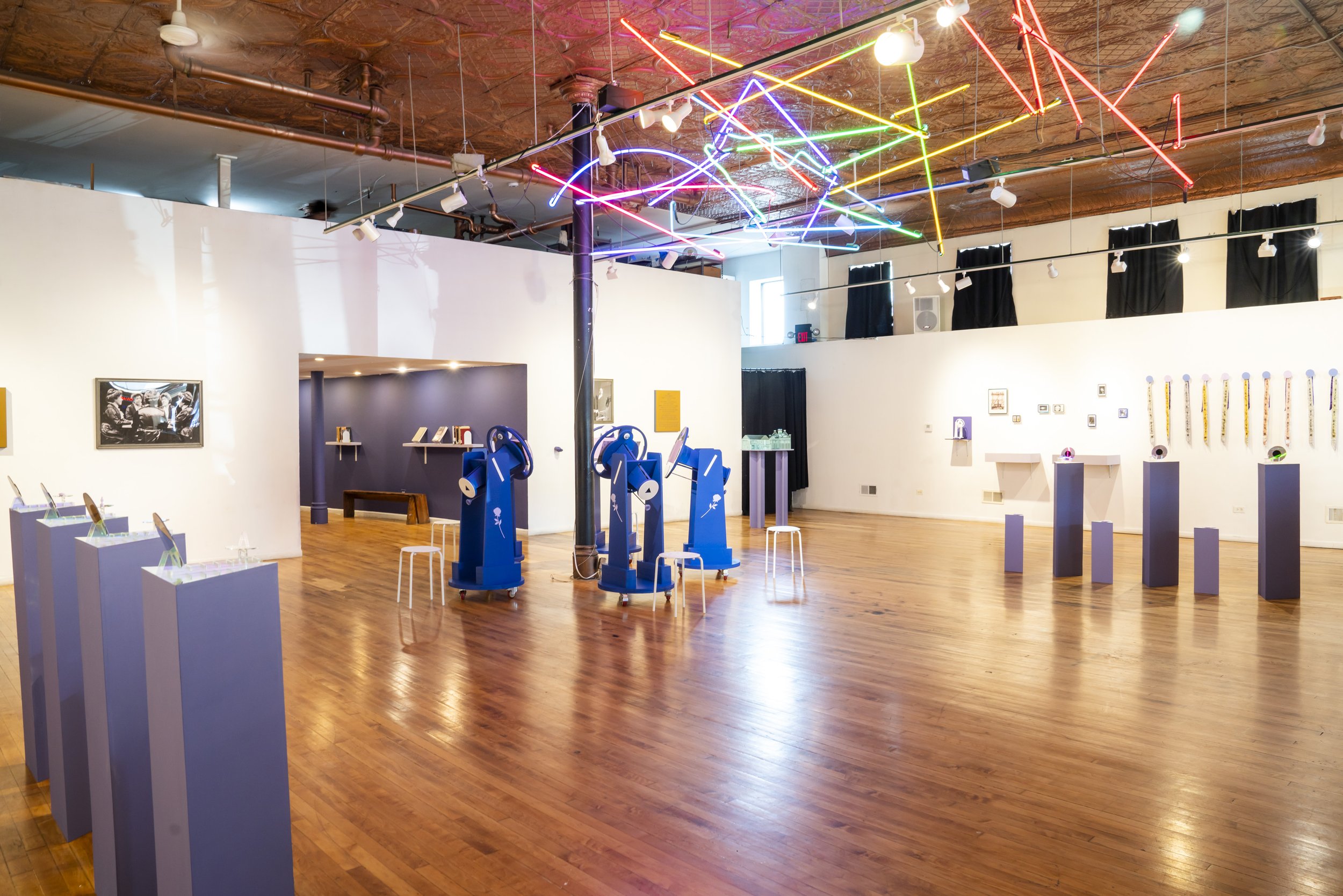
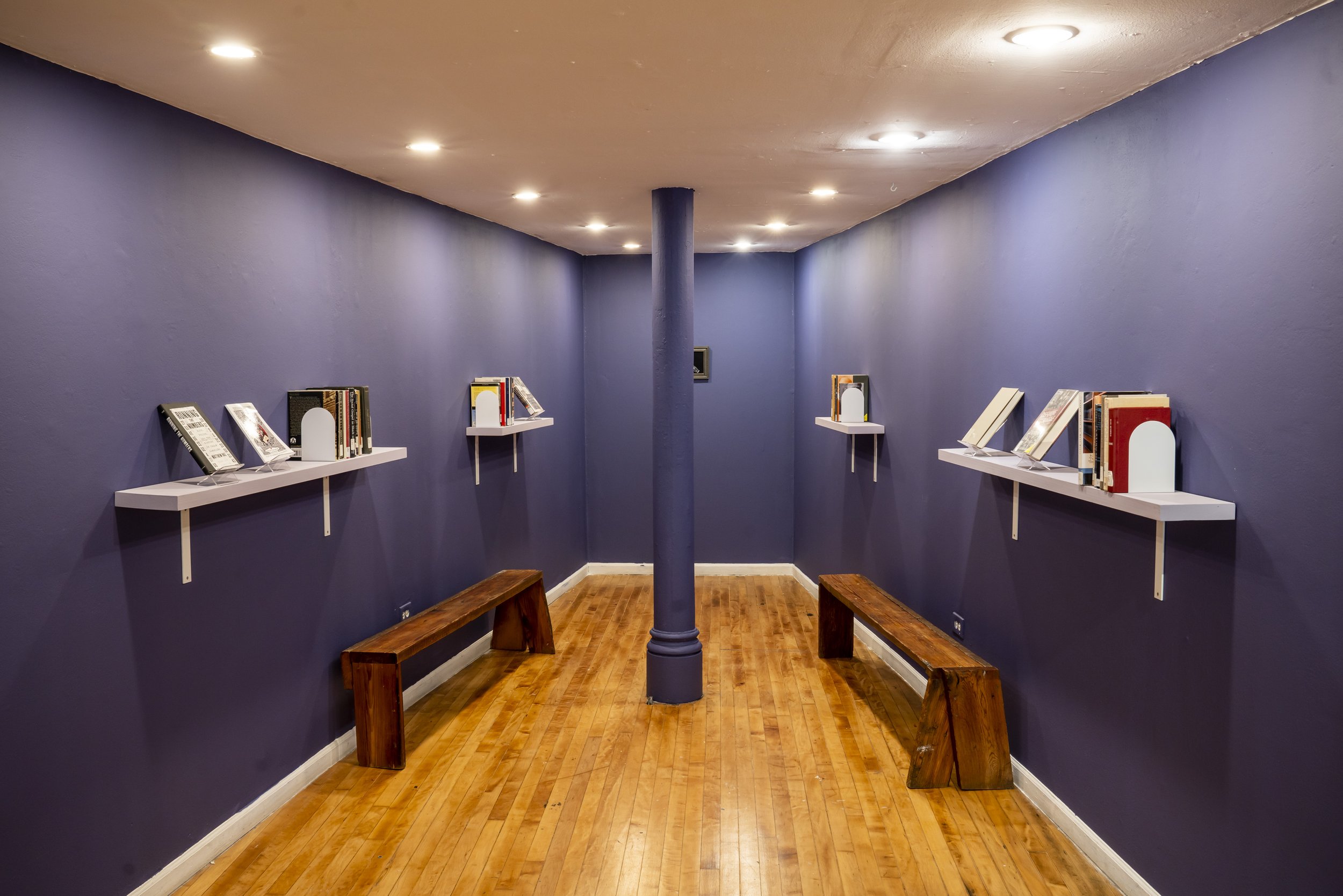
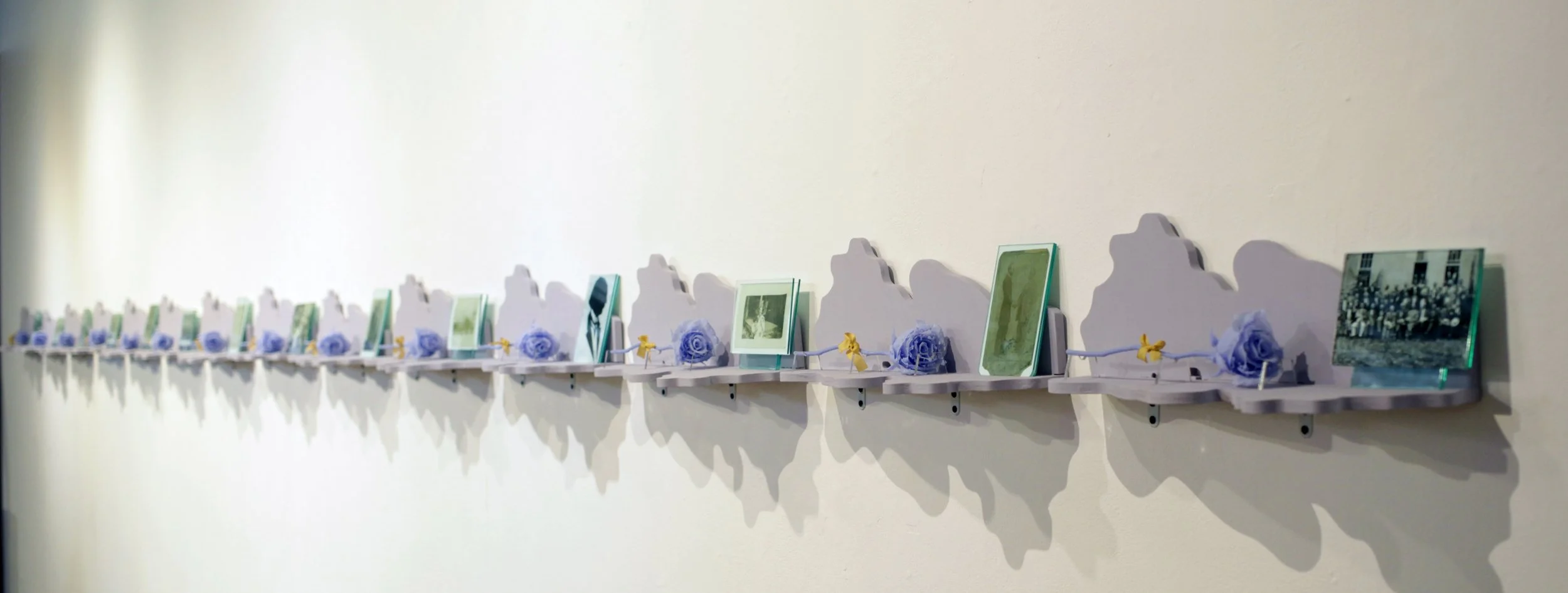
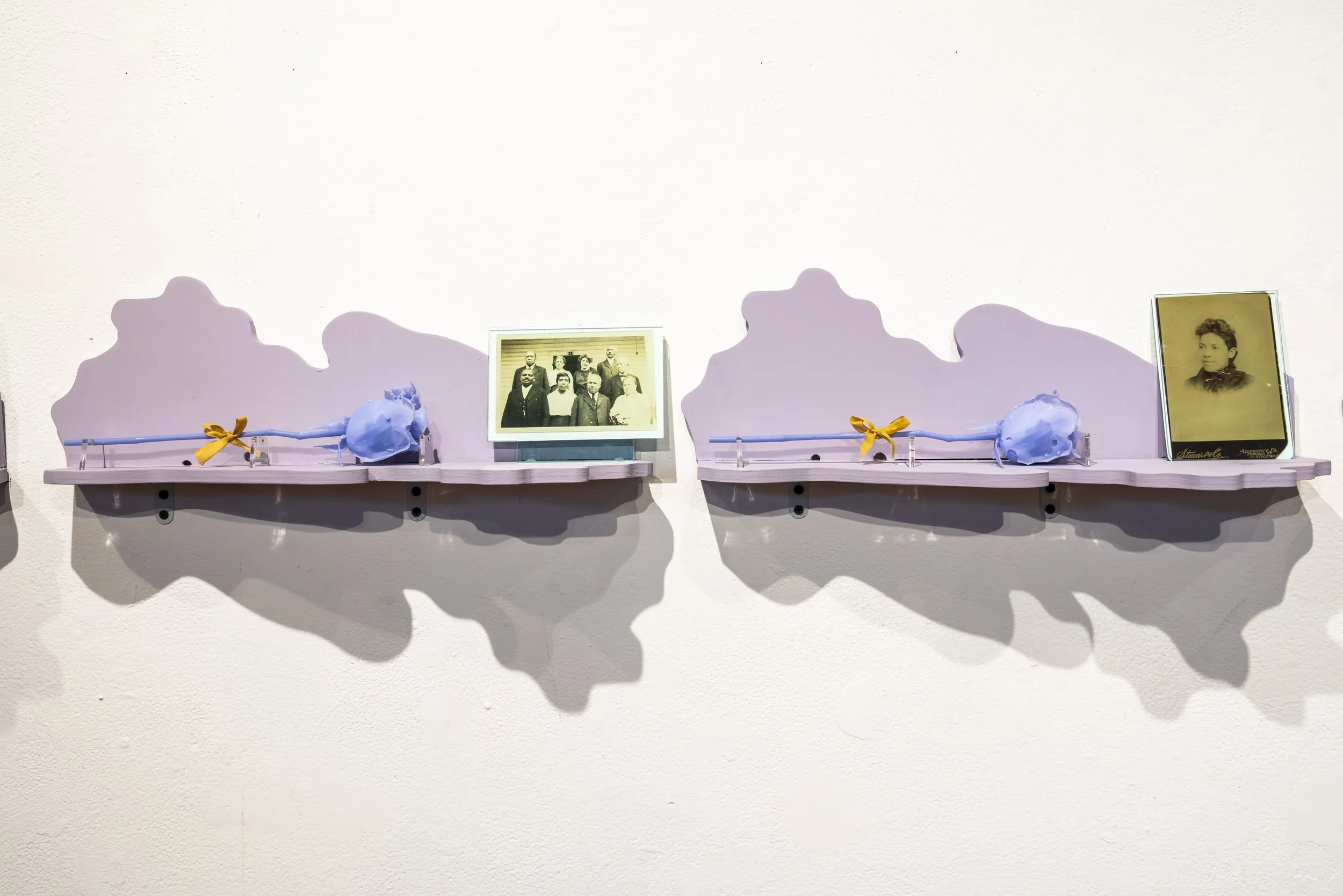
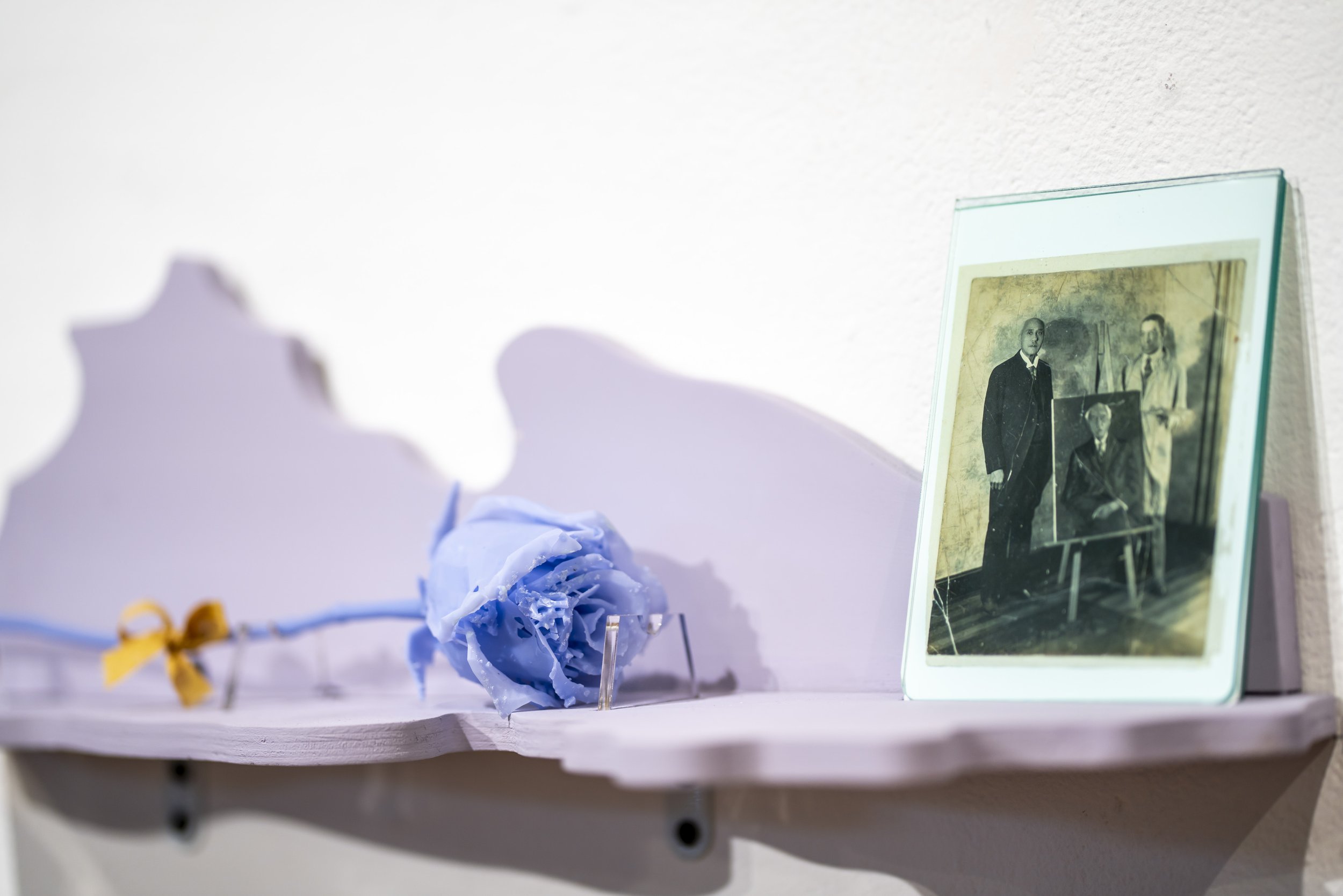
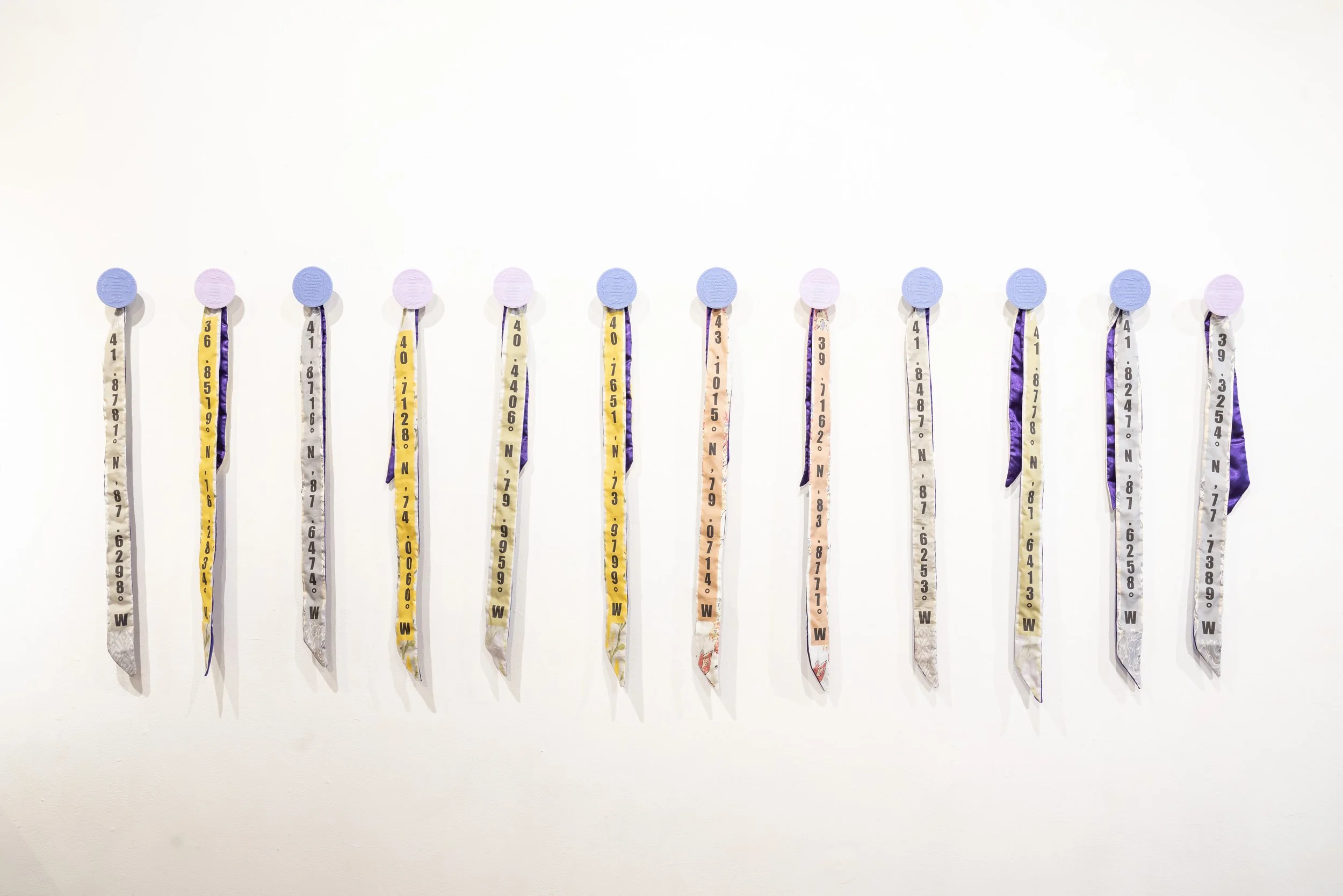
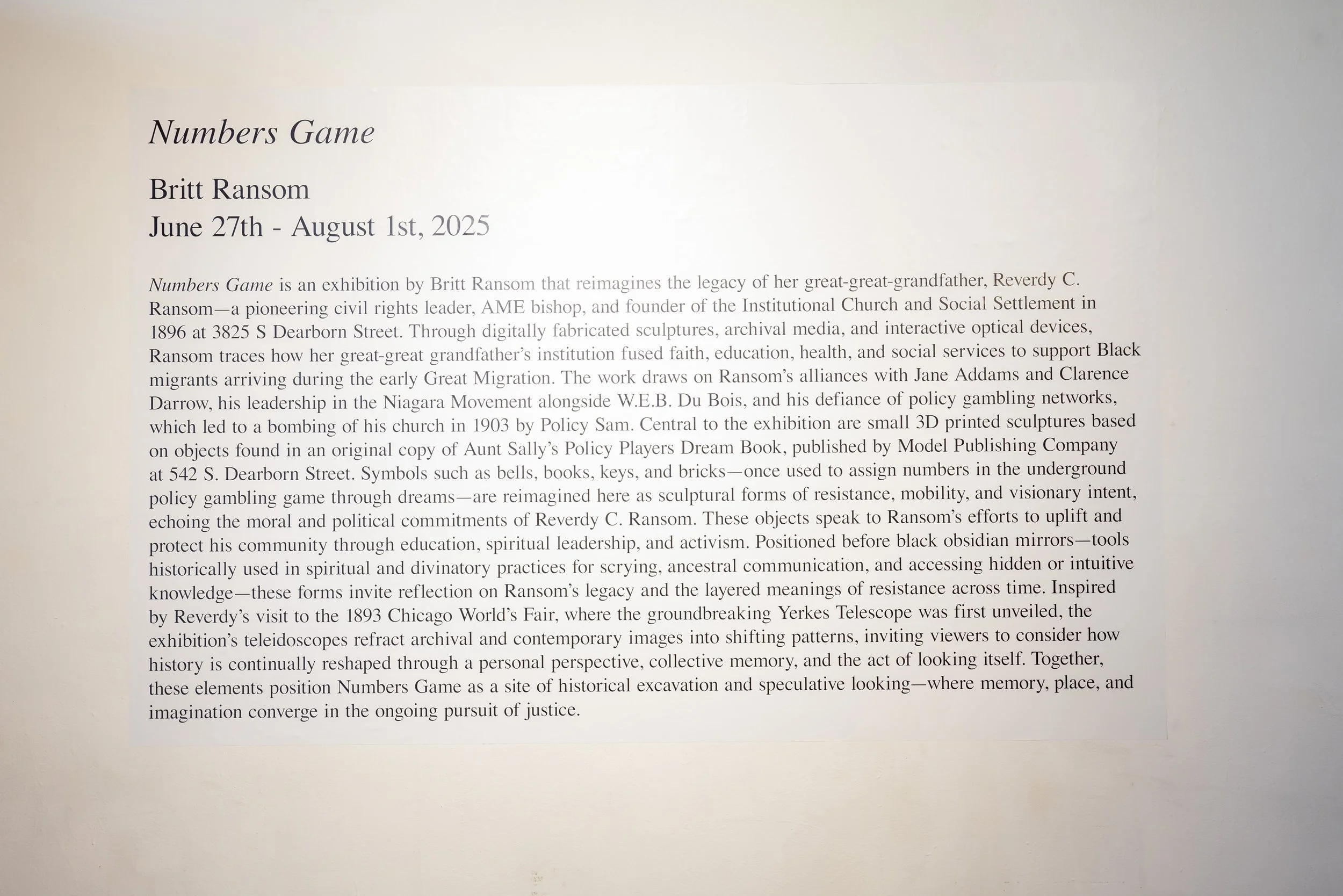
Numbers Game is an exhibition by Britt Ransom that traces the inheritance of spiritual leadership, social service, and civil resistance through the legacy of her great-great-grandparents, Reverdy C. Ransom and Emma Ransom. Through sculpture, digital fabrication, archival materials, and optical devices, the exhibition excavates the layered history of Reverdy Ransom’s civil rights work in Chicago during the Progressive Era and connects it to present-day struggles for racial and economic justice. Rather than presenting history as fixed, the exhibition frames it as something refracted, seen through lenses of memory, symbolism, and lived experience.
At the center of the exhibition is Ransom’s founding of the Institutional Church and Social Settlement in 1896 on Chicago’s South Side, a pioneering Black-led institution that integrated worship with education, health, and social services during the early waves of the Great Migration. Working alongside Progressive reformers such as Jane Addams, Clarence Darrow, Graham Taylor, and Mary McDowell, Ransom built coalitions that crossed racial and ideological lines. His most dangerous act of resistance came through his public opposition to policy gambling, an underground lottery system exploiting the Black community. In 1903, after threatening to expose those profiting from the racket, Ransom’s church was bombed in an attempted assassination, an event that underscored both the risks of his activism and the stakes of moral leadership.
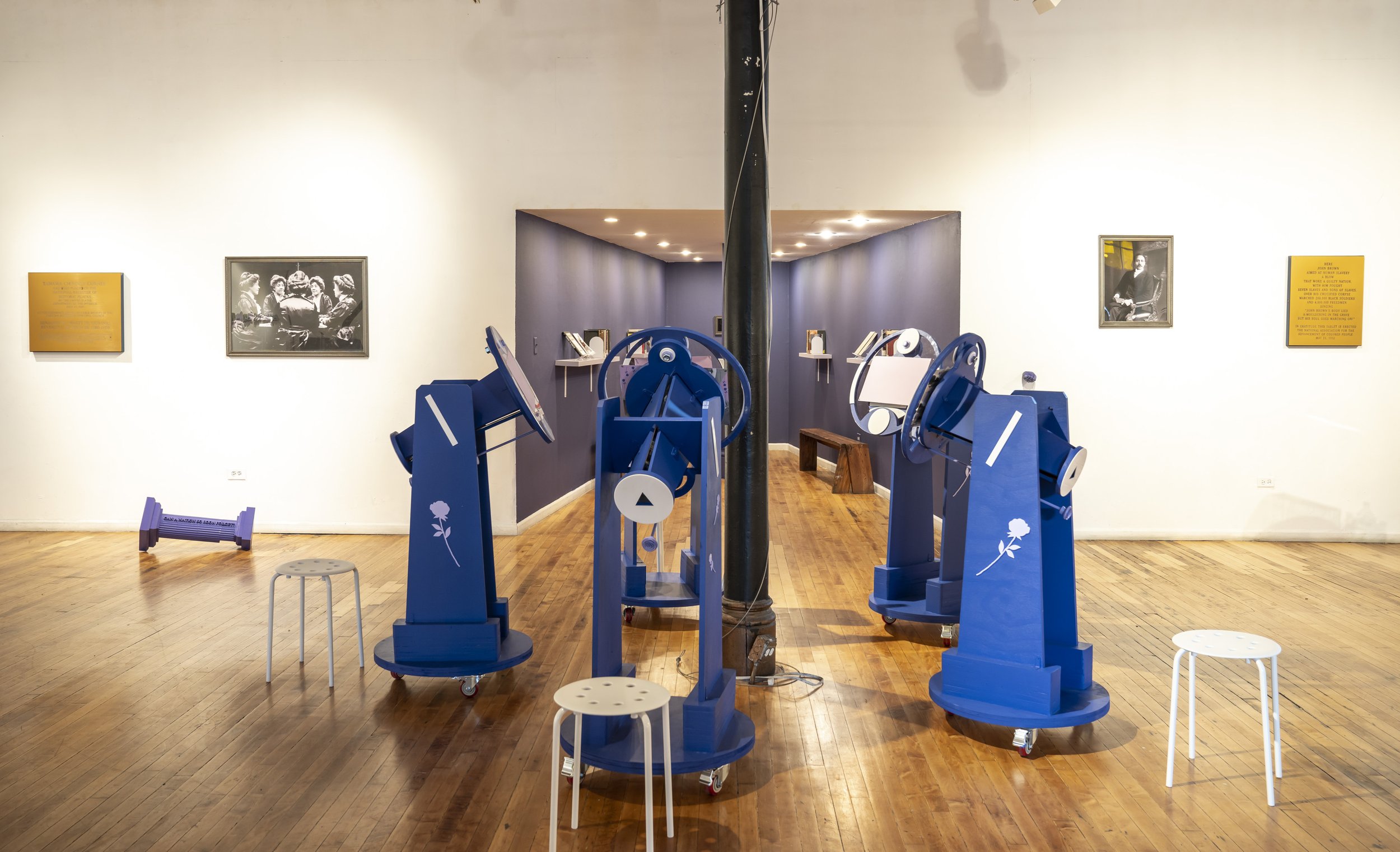
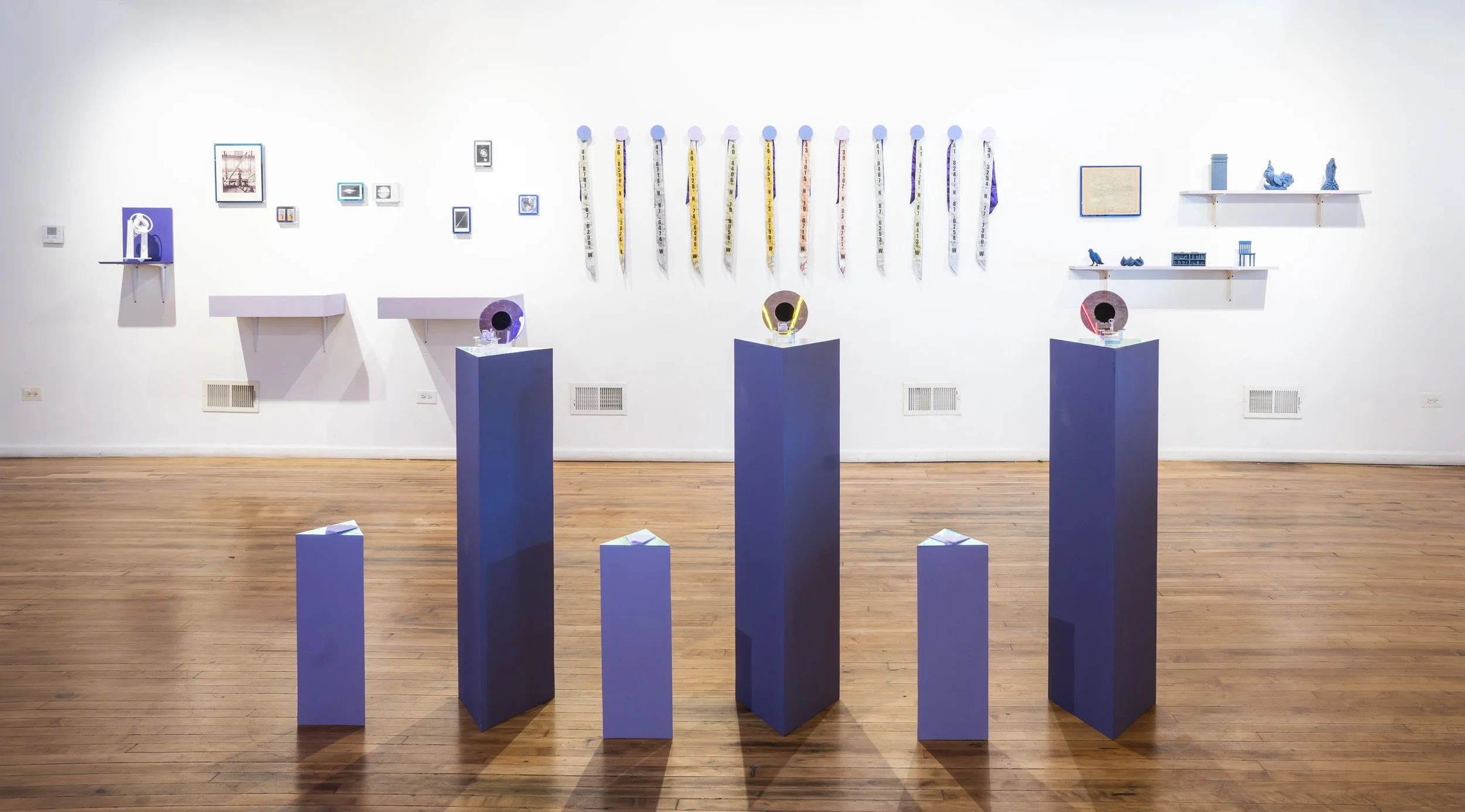
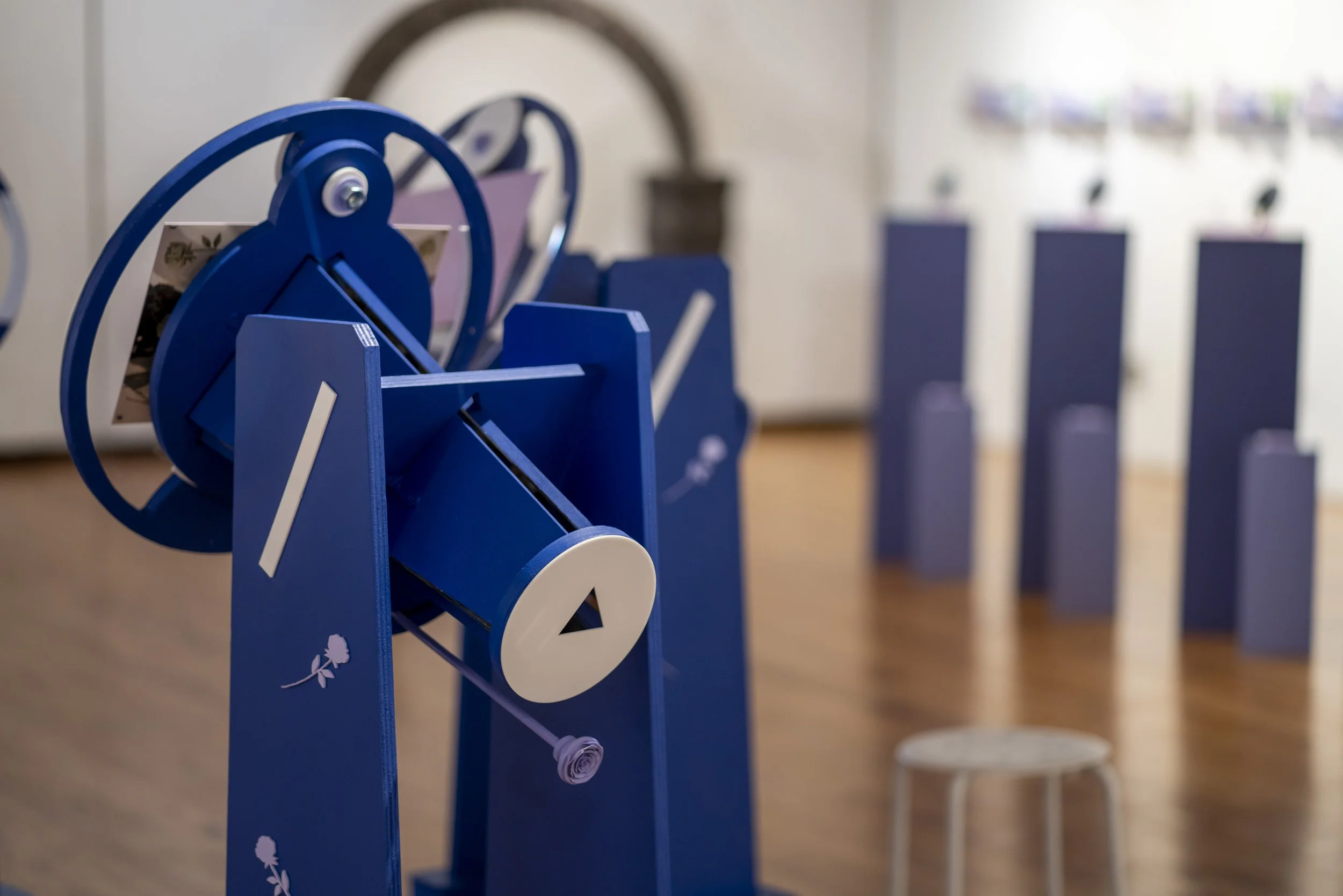
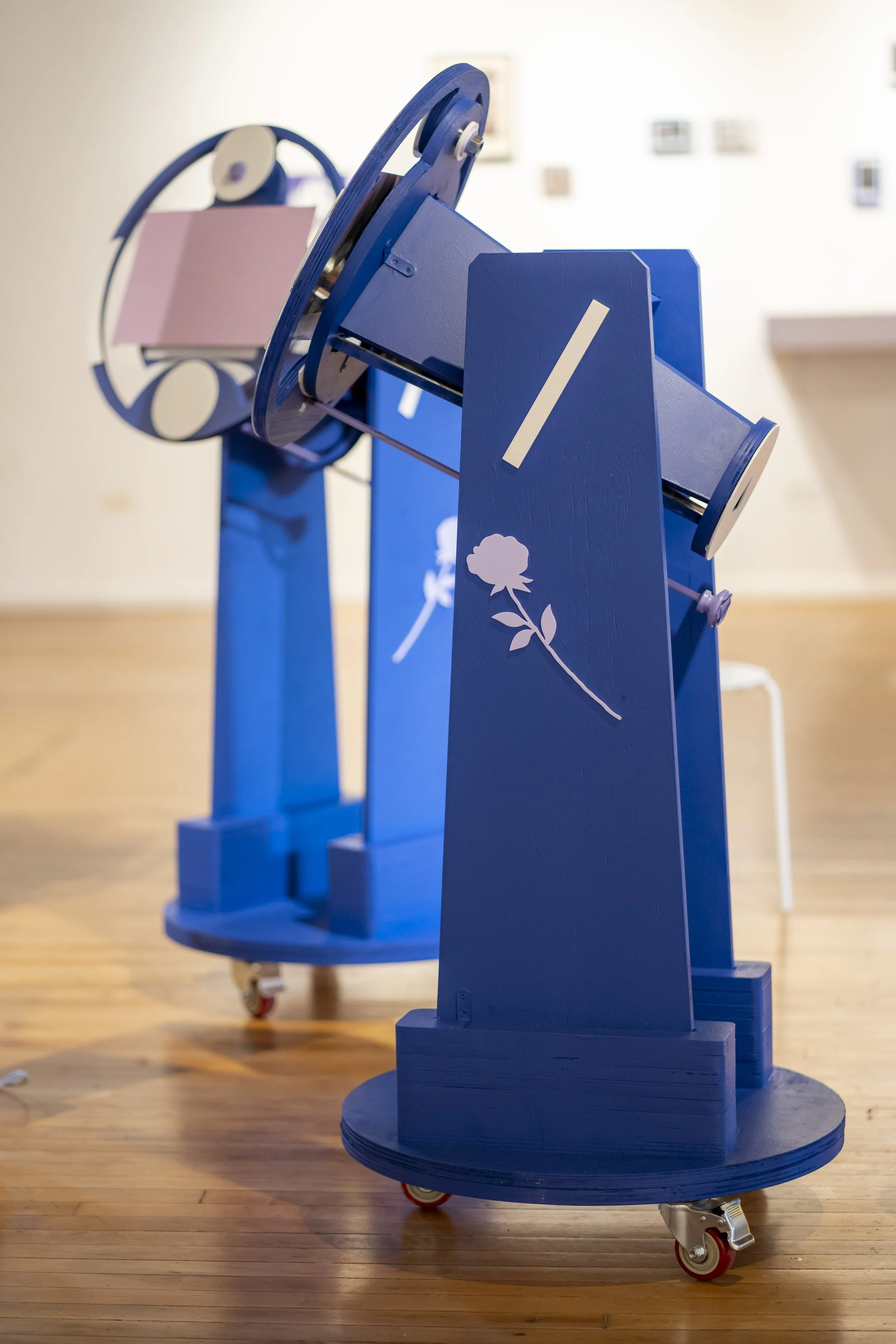
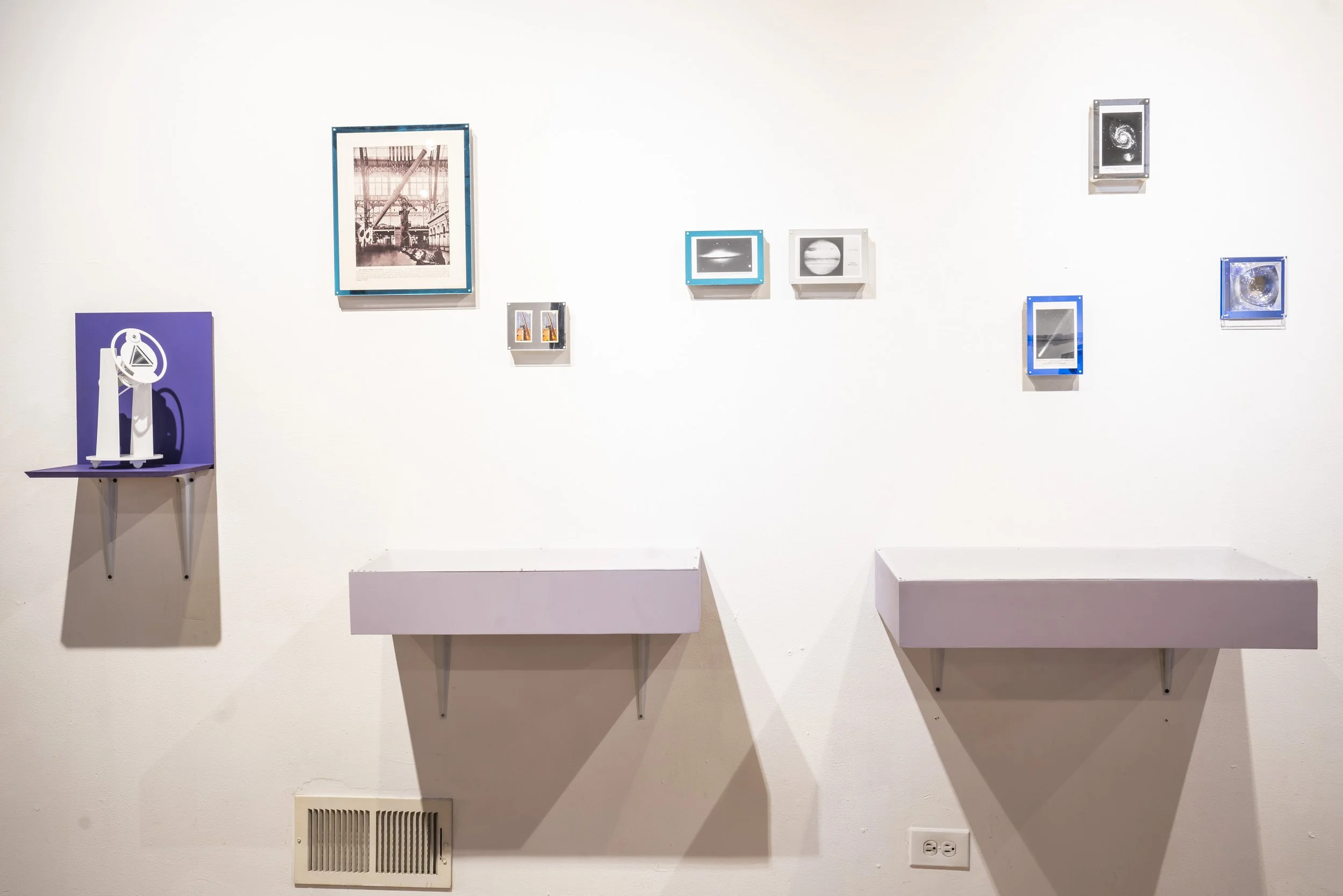
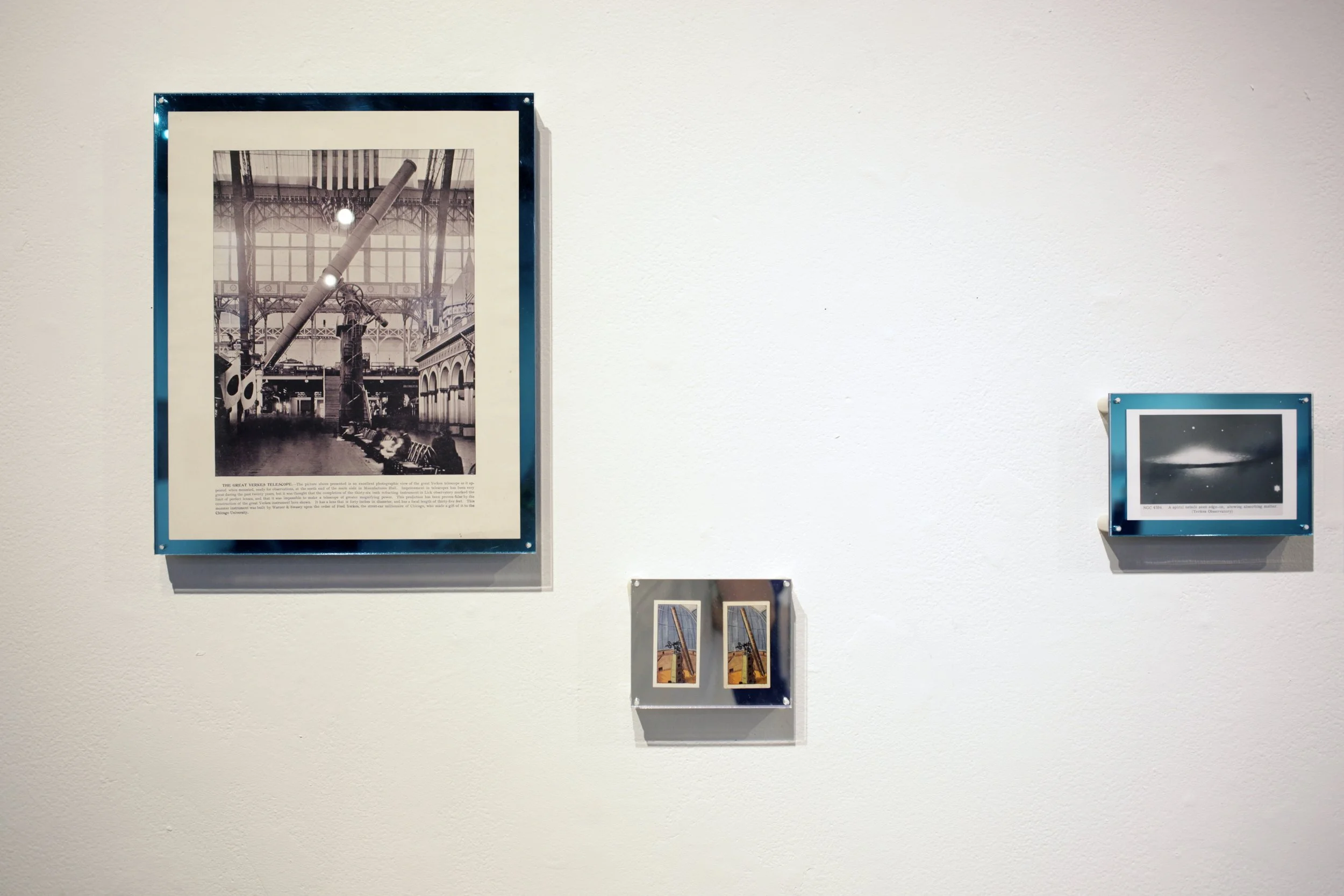
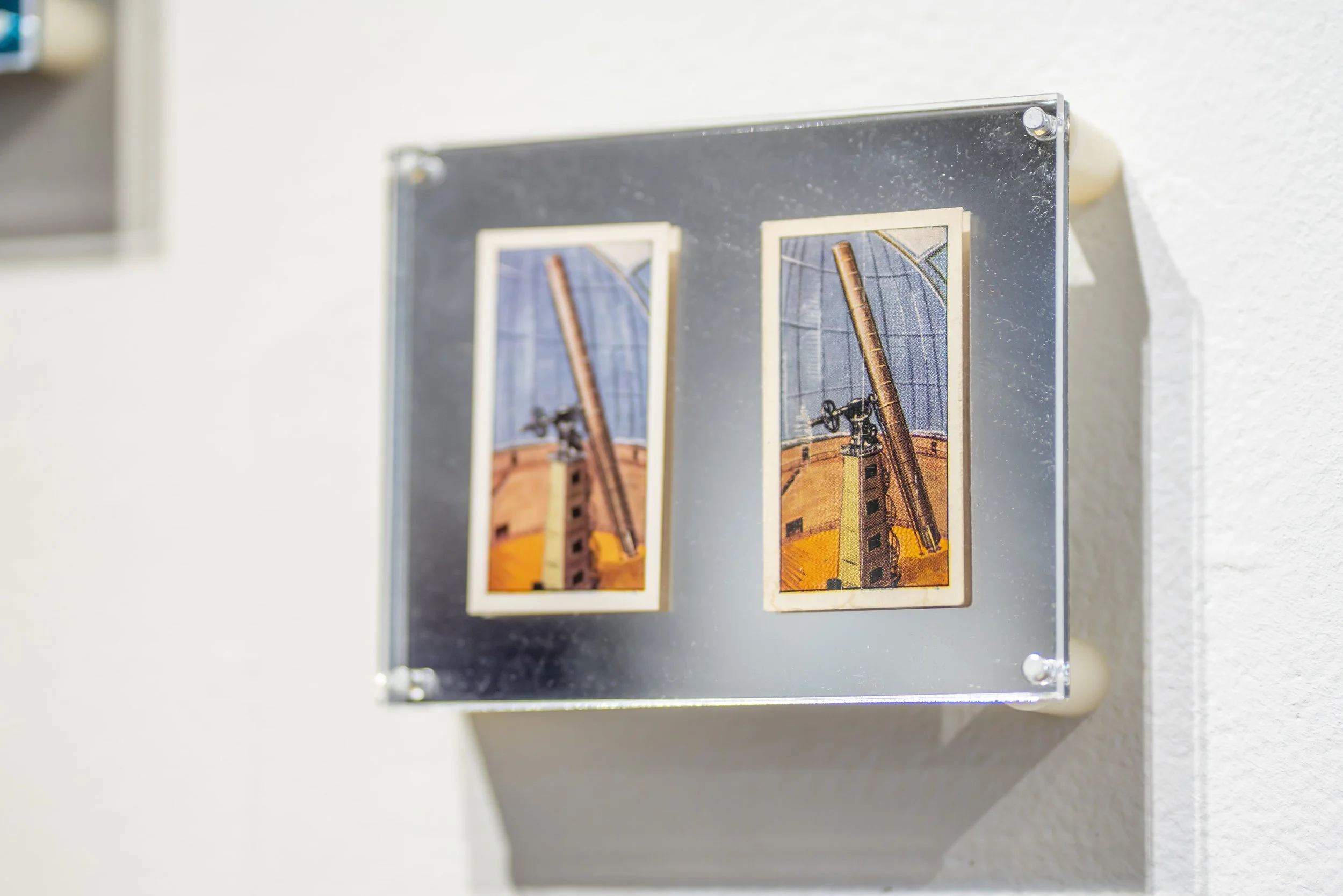
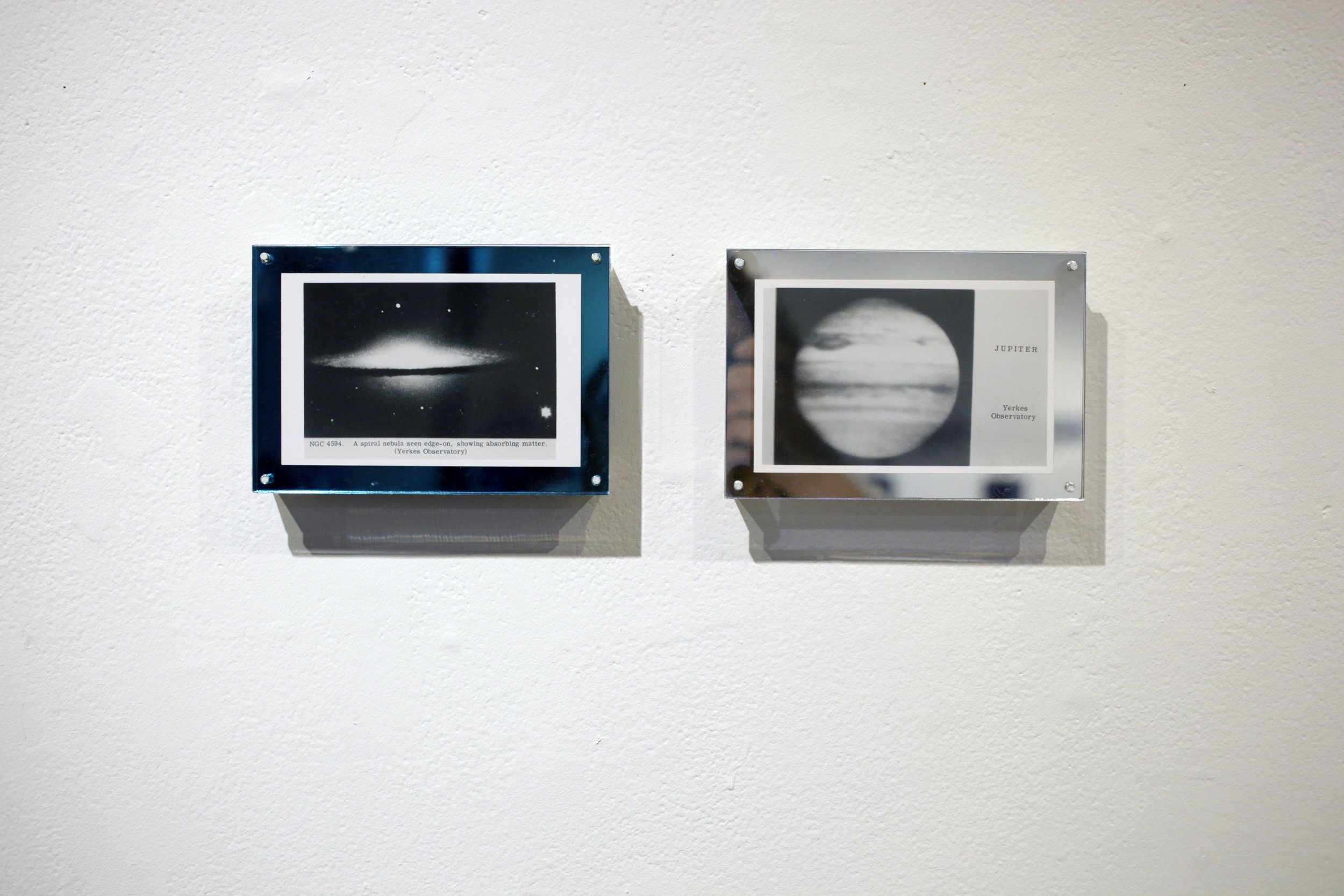
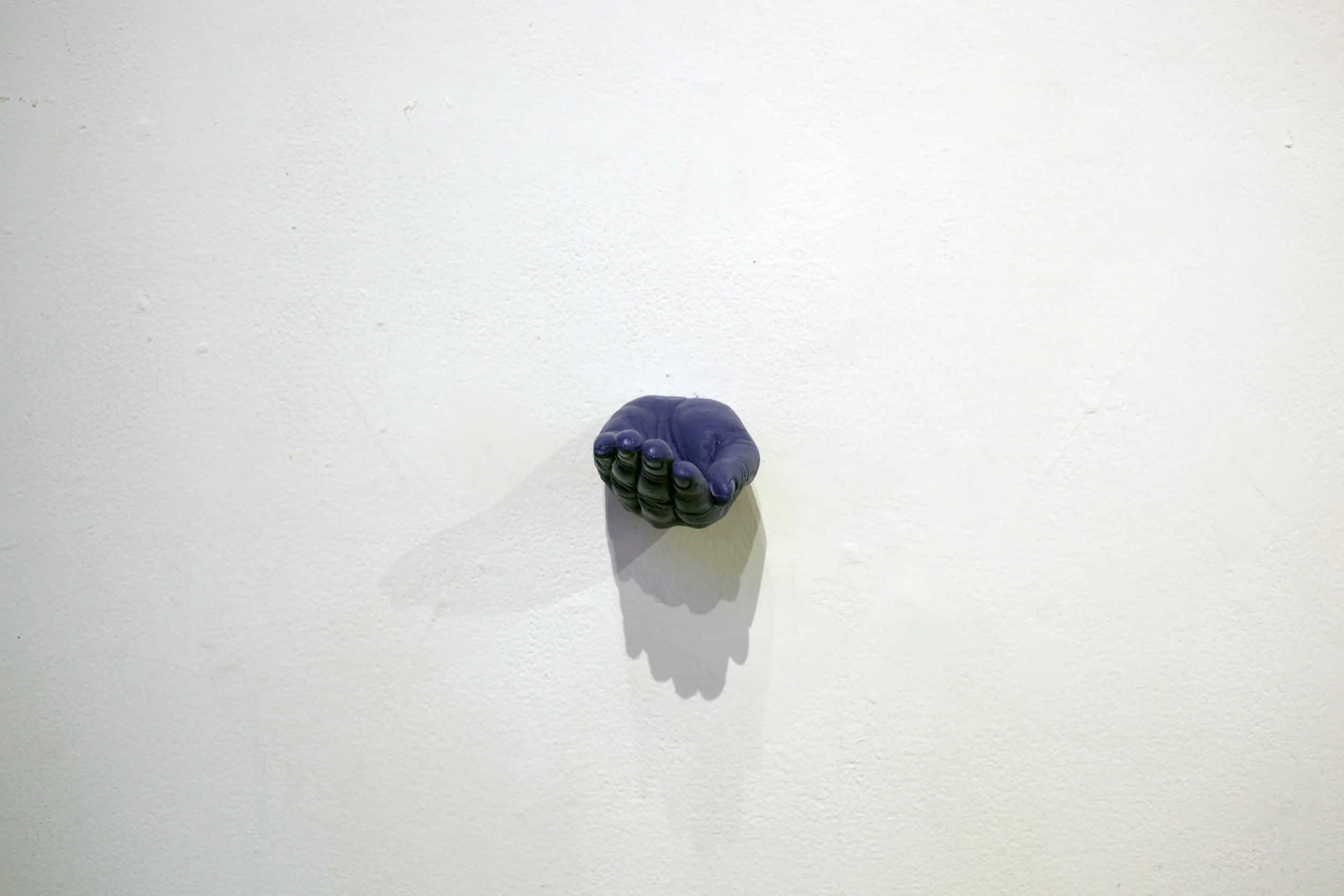
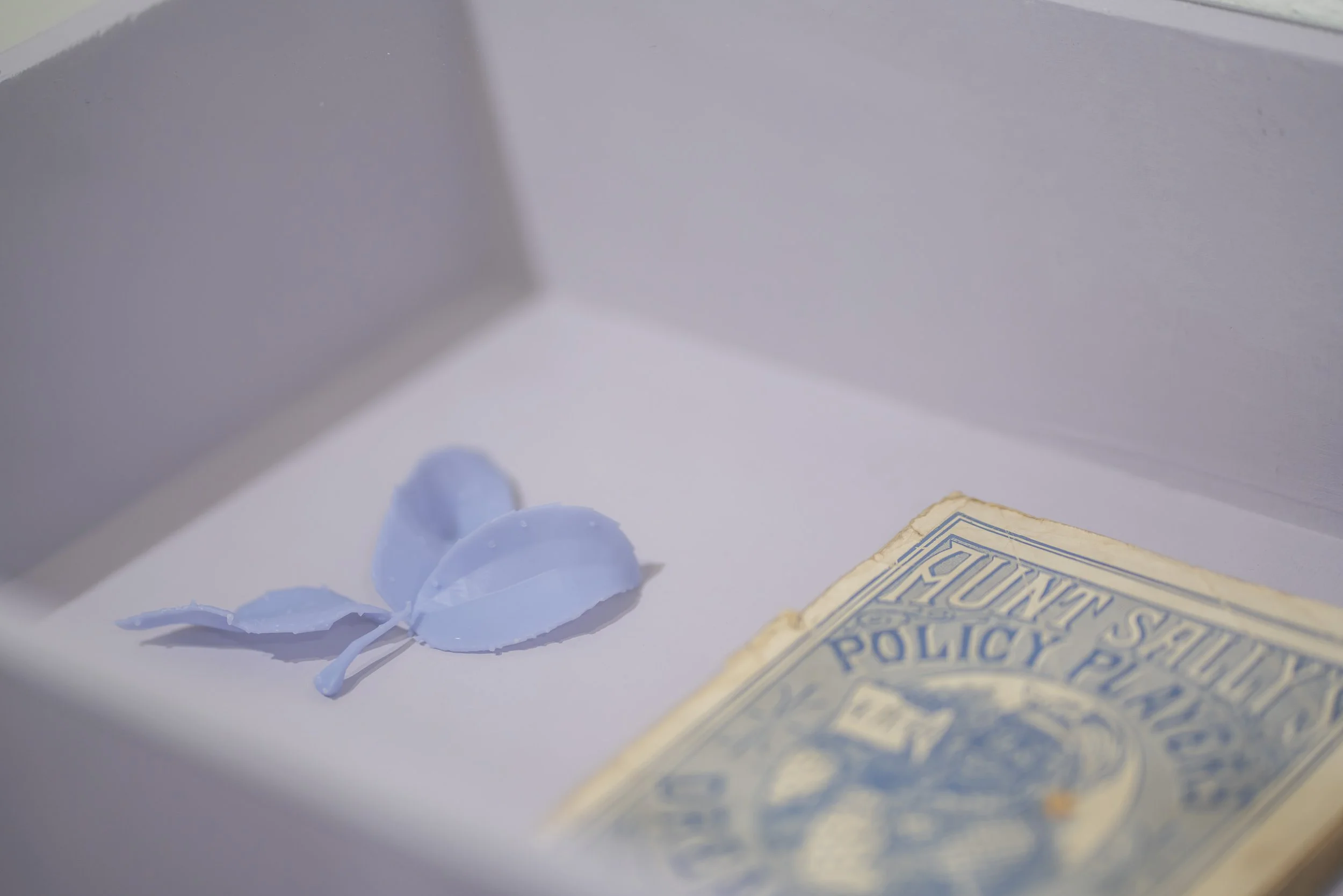
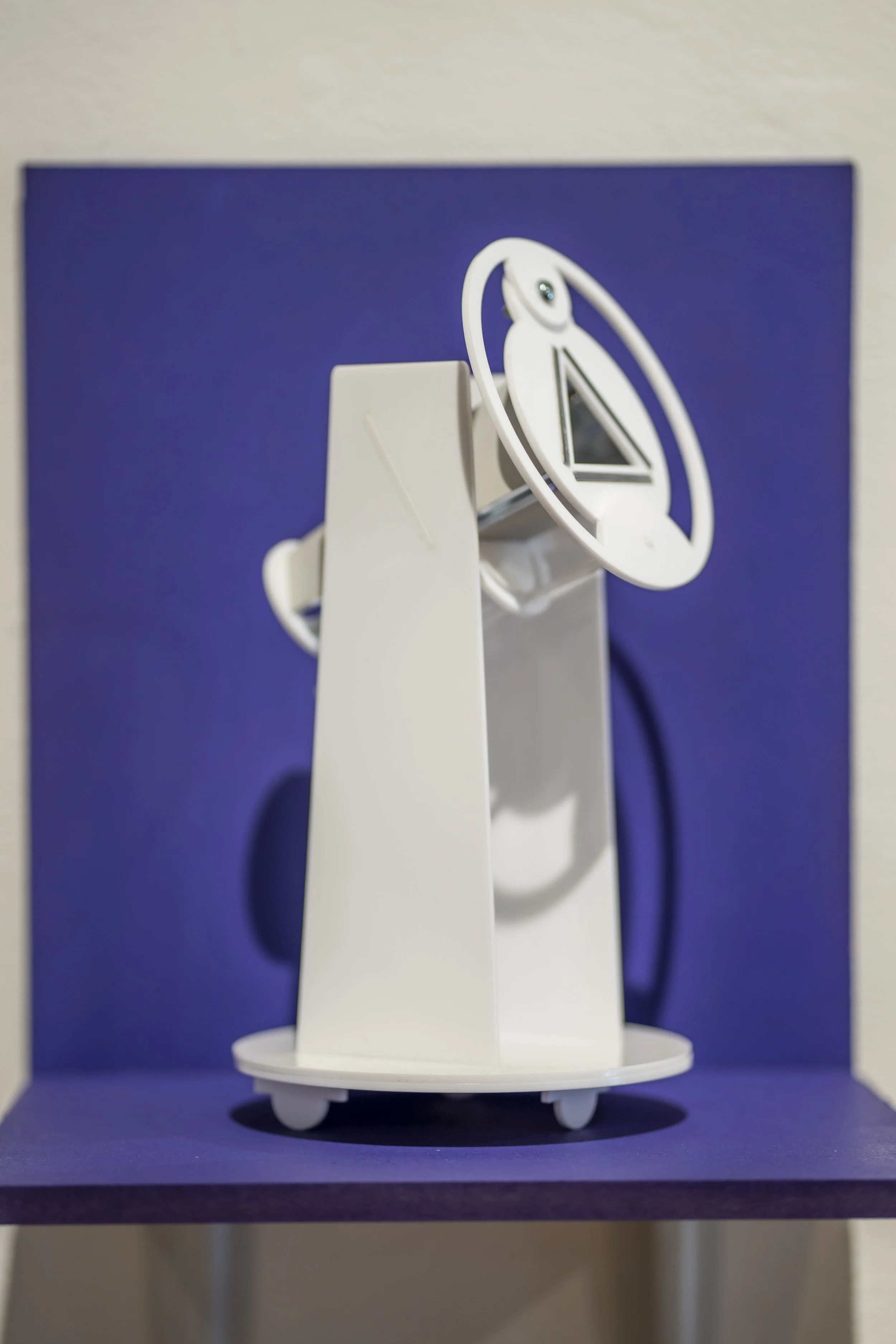
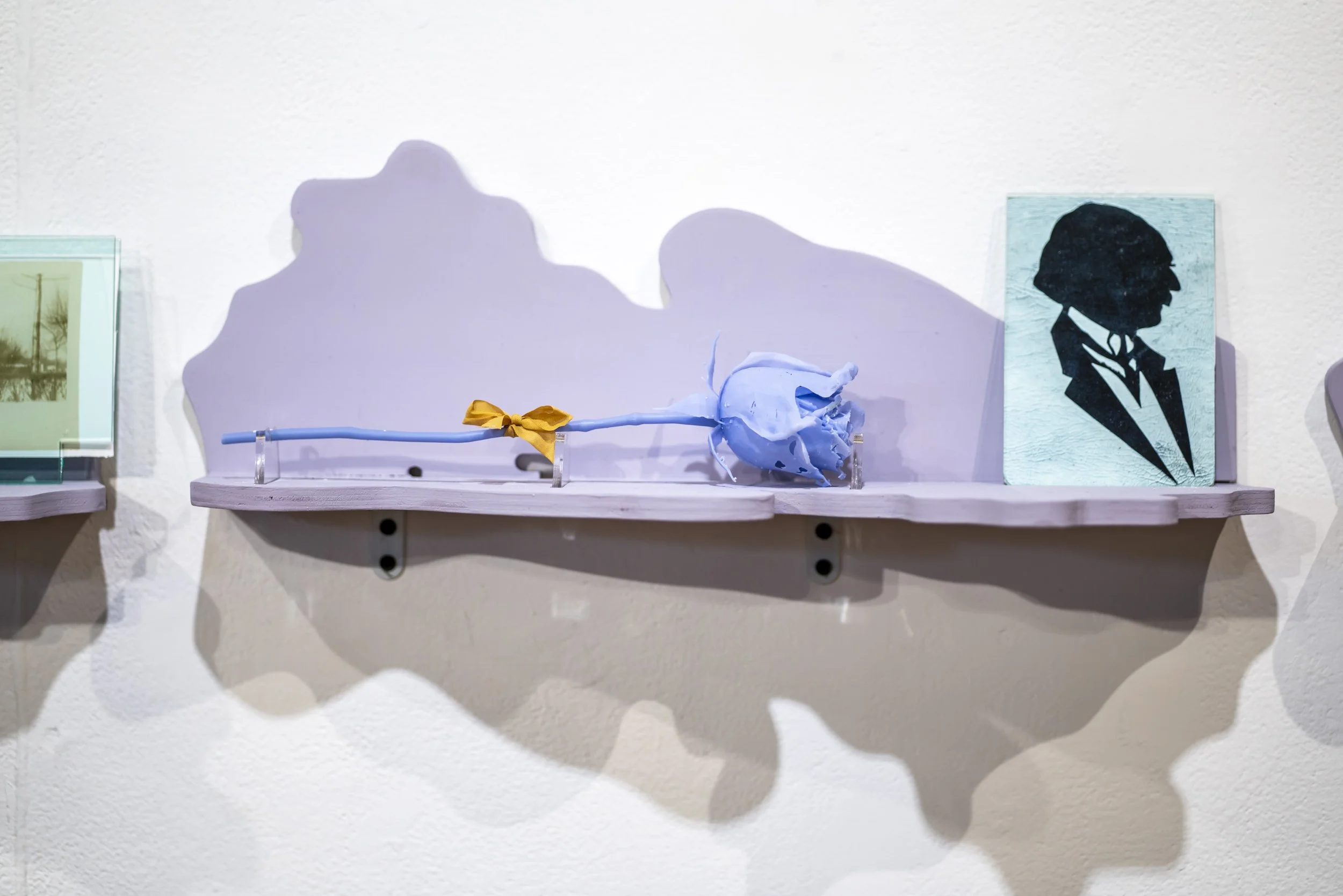
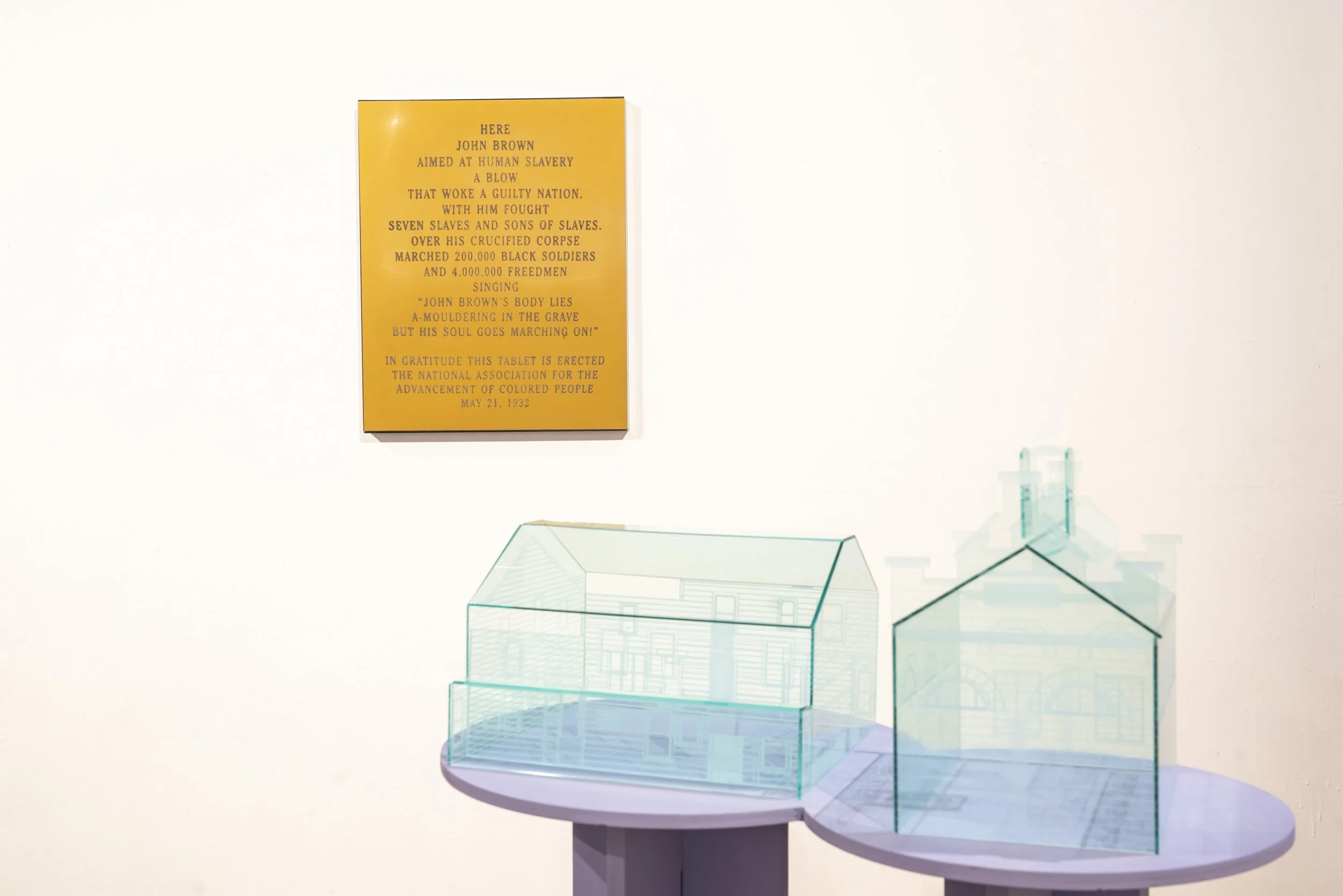
The exhibition translates this history through a symbolic vocabulary drawn from Aunt Sally’s Policy Player’s Dream Book, reimagining objects like the bell, book, key, ladder, train, lamp, and brick house as metaphors of warning, knowledge, access, migration, uplift, and sanctuary. These reinterpreted policy symbols face black obsidian mirrors, traditionally used for scrying and ancestral communication, inviting viewers to reflect on the past as a living presence rather than a closed chapter. Teleidoscopes further extend this inquiry, refracting archival images alongside contemporary views of Chicago and Wilberforce, Ohio, and recalling the unfinished Yerkes Telescope first encountered by the Ransoms at the 1893 World’s Fair.
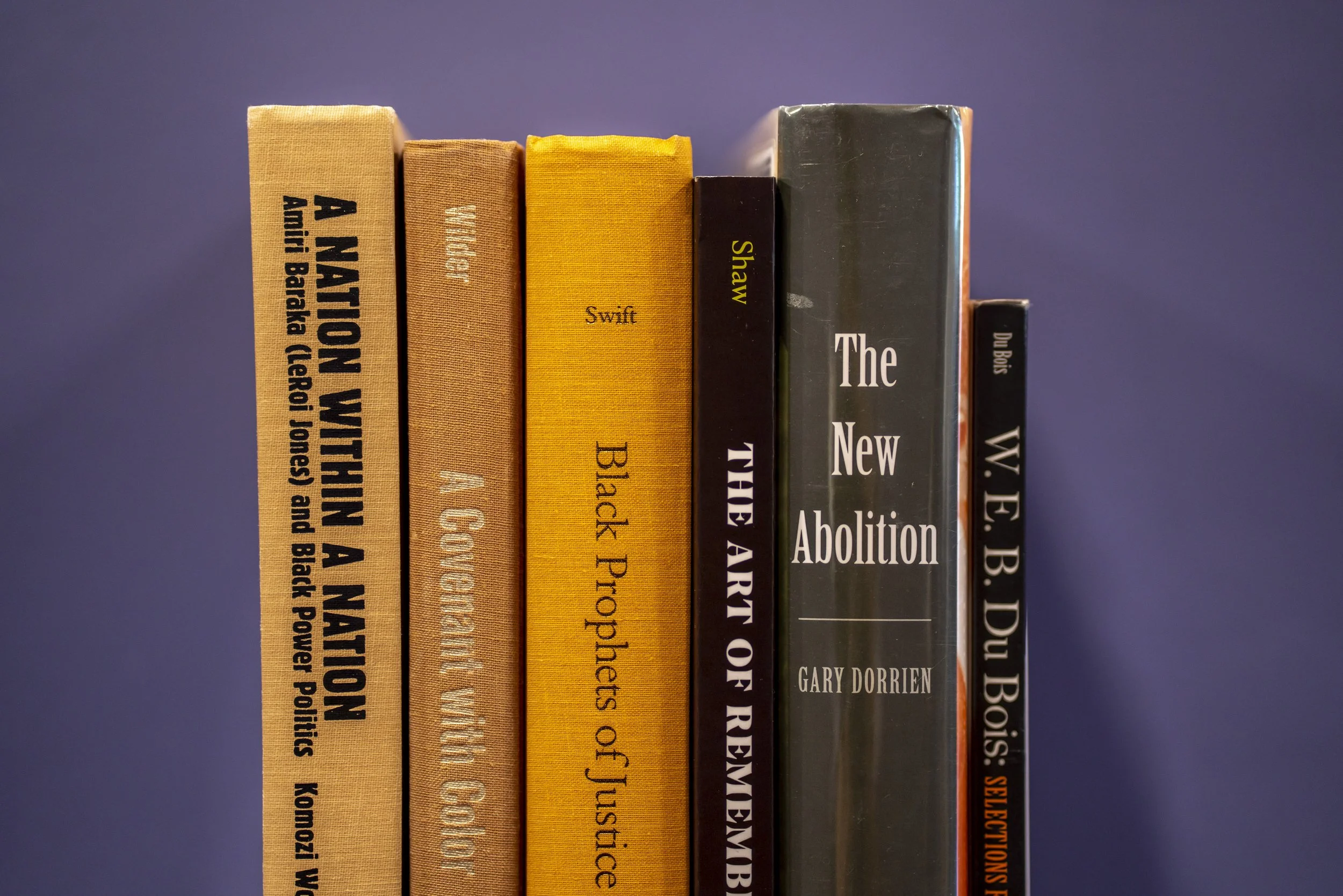
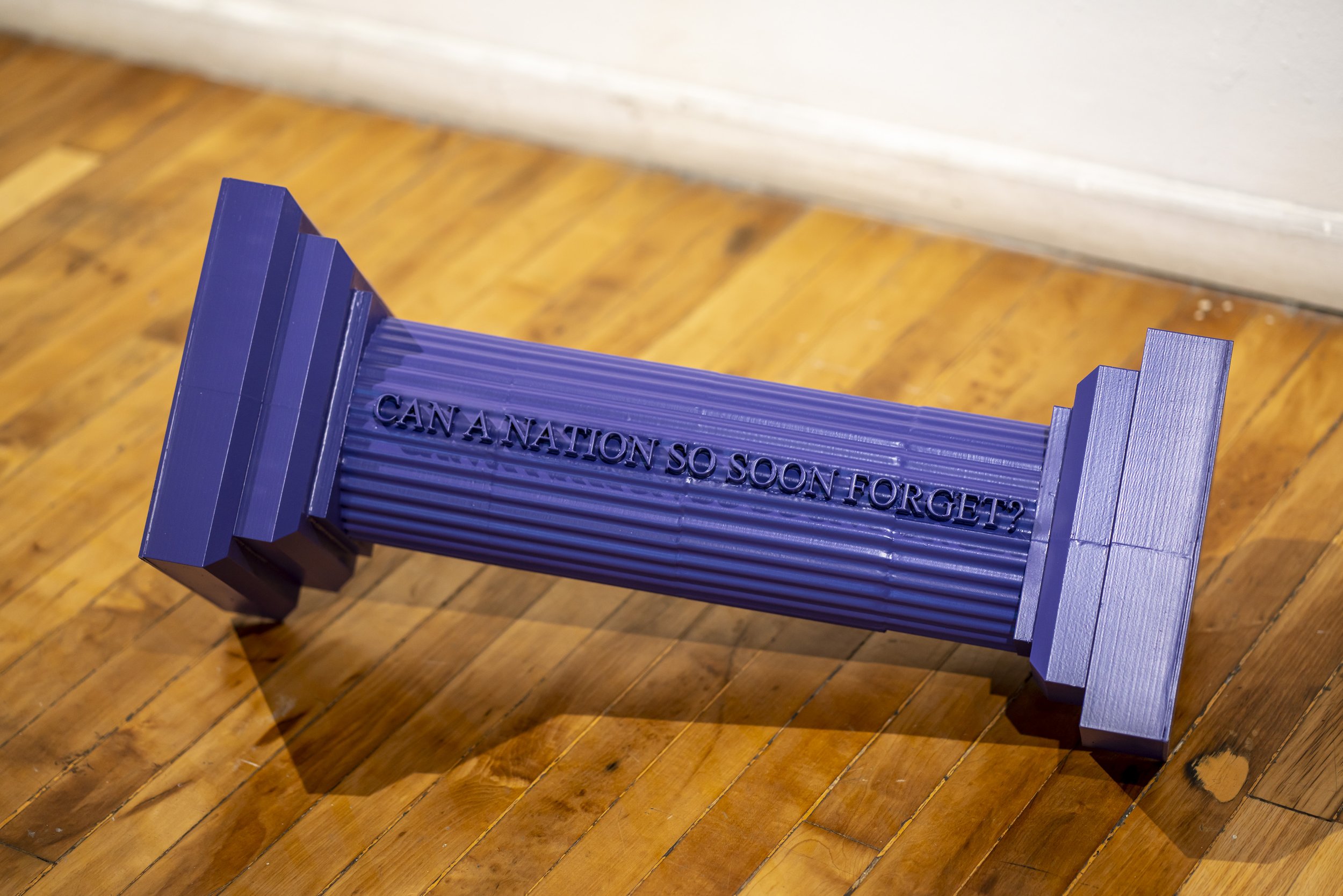
Numbers Game also situates Ransom within a national lineage of civil rights leadership. As a founding member of the Niagara Movement, Reverdy C. Ransom worked closely with W.E.B. Du Bois and delivered his influential 1906 speech, The Spirit of John Brown, helping to lay the groundwork for the NAACP. Architectural fragments recreated from Tawawa Chimney Corner House, his family home in Wilberforce, now under restoration, anchor the exhibition in a spatial legacy of sanctuary, education, and resistance. Together, these elements position Ransom not only as a preacher, but as a builder of moral infrastructure, insisting that the past remains beneath our feet and within our sight, refracted, unfinished, and urgently present.