info
/
1
2
3
4
·
·
·
·


New Museum New Inc Y10
In 2024, Britt Ransom participated in NEW INC Year 10 (Y10) as a member of the Social Architecture track, part of the New Museum’s highly selective cultural incubator dedicated to supporting interdisciplinary practices operating at the intersection of art, design, technology, and social systems. NEW INC is the first museum-based incubator of its kind, bringing together an international cohort of artists, designers, architects, technologists, and researchers through a year-long program of mentorship, professional development, peer exchange, and public presentation. Selection into the program reflects recognition of a practice’s capacity to contribute to expanded conversations around contemporary culture, social impact, and experimental forms of practice.
The Social Architecture track centers on projects that examine how social, civic, and spatial structures shape collective life, with an emphasis on research-driven practice, public engagement, and alternative models for organizing space and community. Participants work closely with mentors and peers to develop critical frameworks and methods for engaging with public space, institutions, and social systems. Ransom worked with artist Heather Hart.
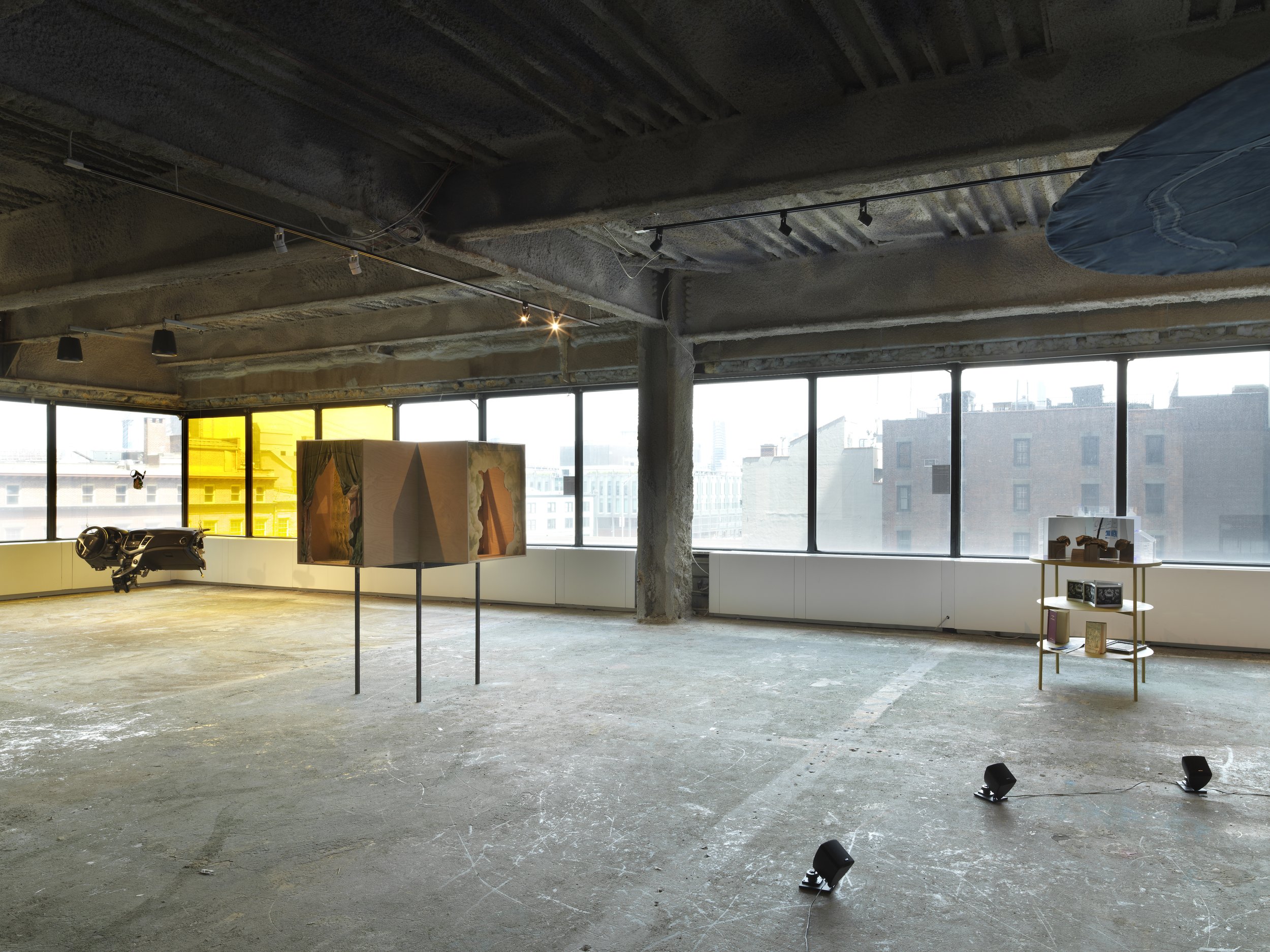
As part of the year-long program, Ransom took part in DEMO 2024, NEW INC’s annual public festival and exhibition platform that presents work developed across all incubator tracks through exhibitions, talks, performances, and demonstrations. Within this context, Ransom participated in Seven Walks, a group exhibition curated by Jessica Kwok, Associate Curator at Storefront for Art and Architecture, and mentor for the Social Architecture track. The exhibition brought together members of the track to explore walking as a method for observing, mapping, and critically engaging with urban space, movement, and social infrastructure.
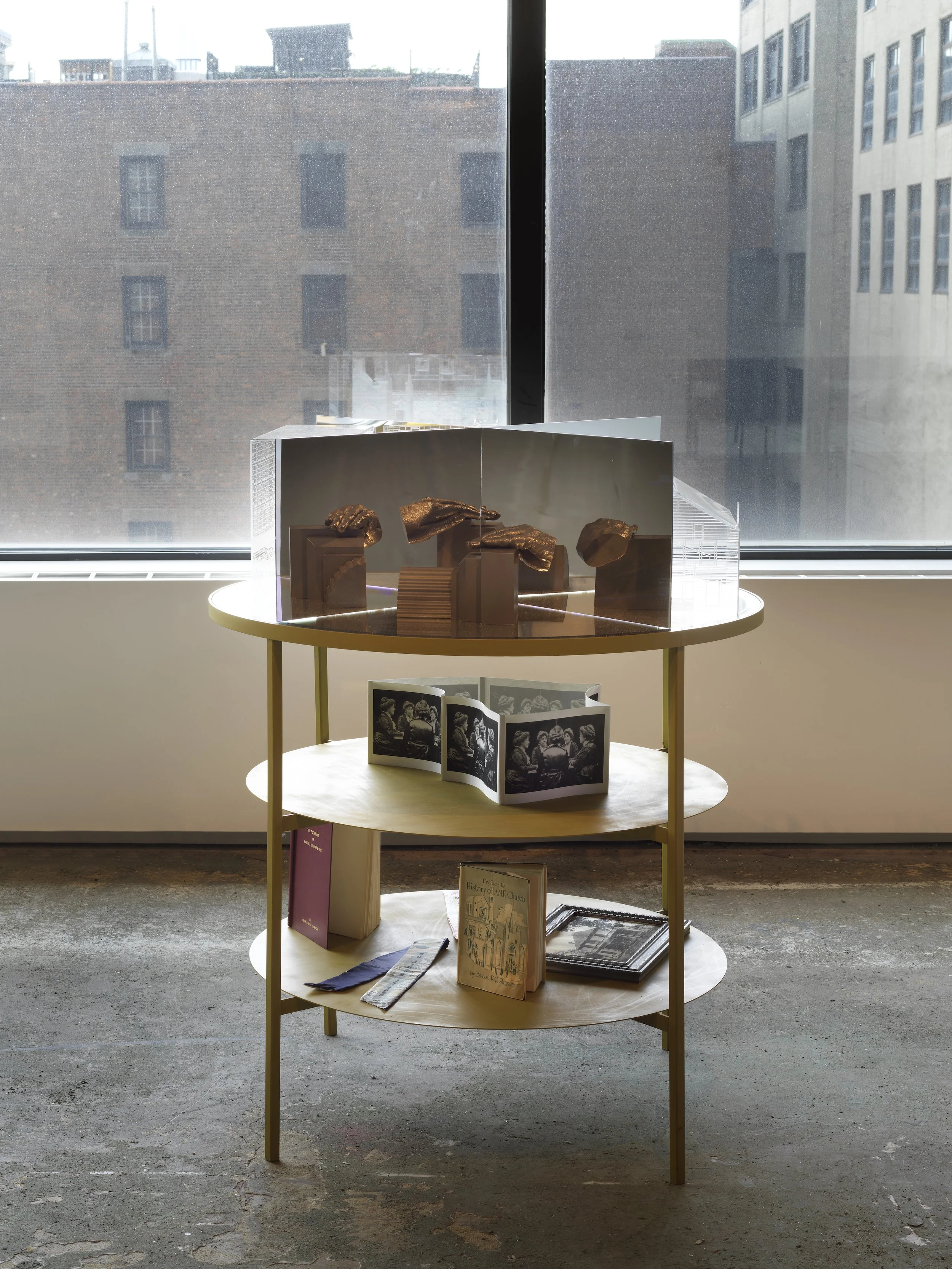
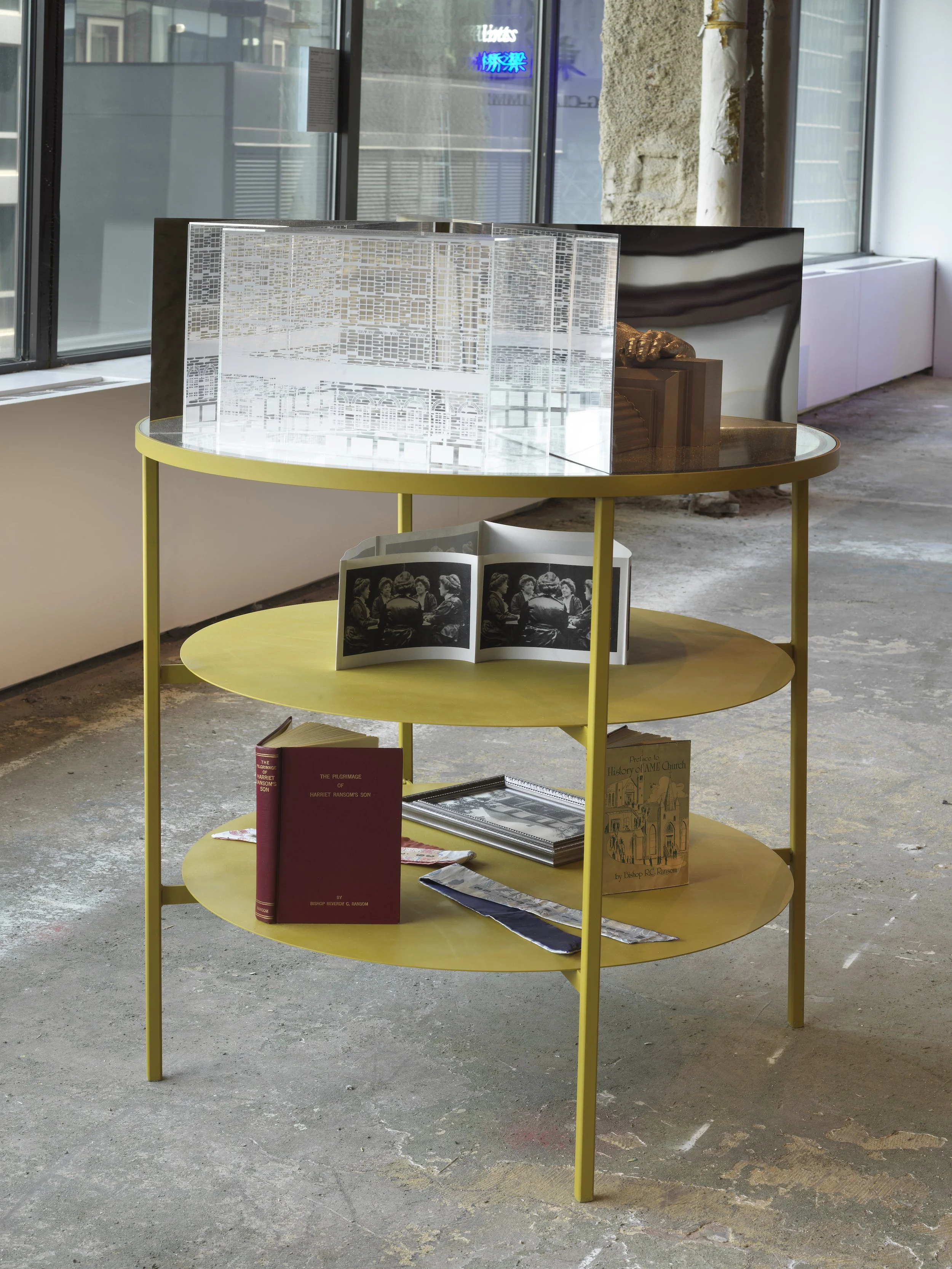
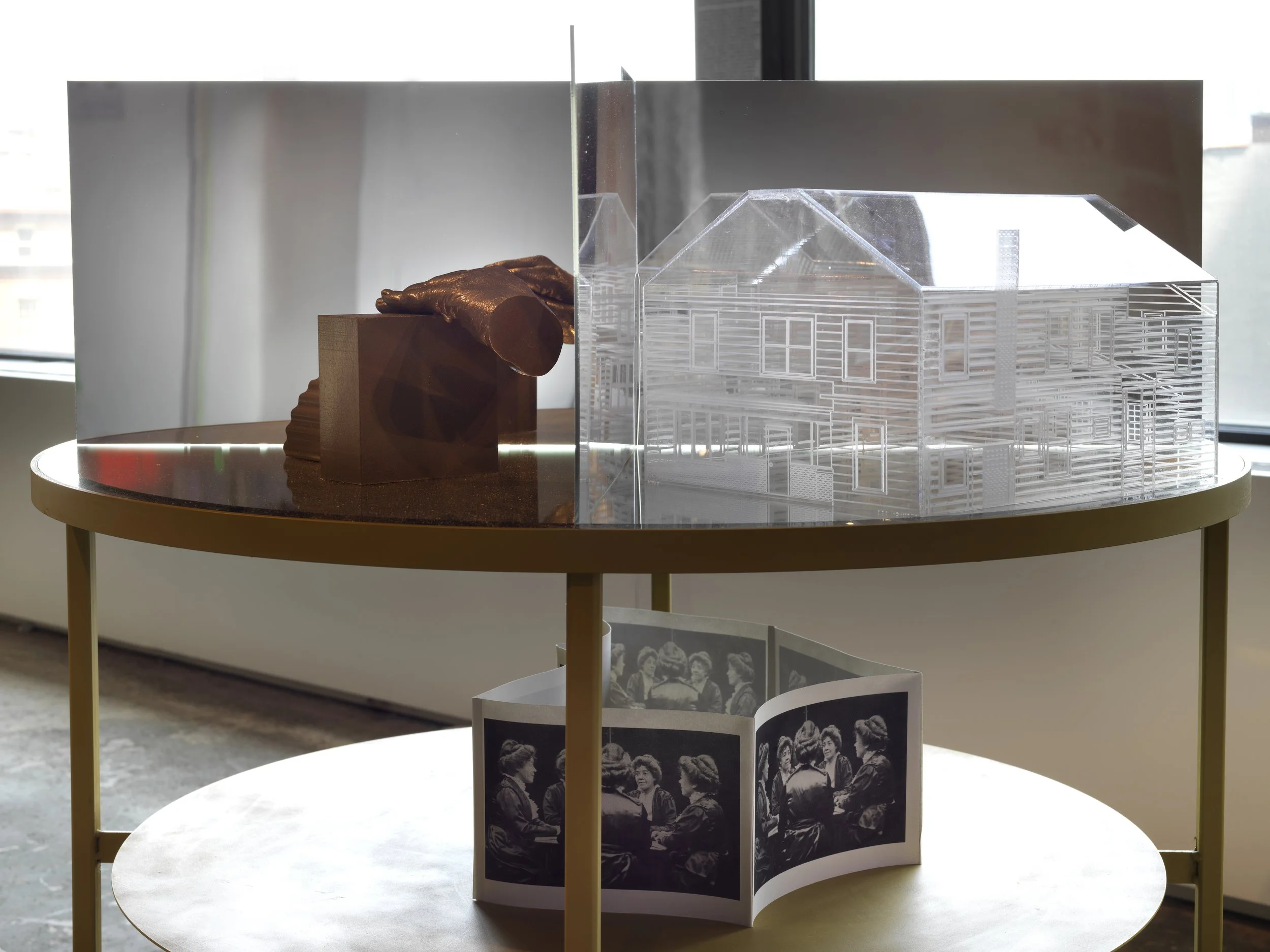
Participation in NEW INC provided sustained time, mentorship, and interdisciplinary peer exchange to advance ongoing research connected to the Tawawa Chimney Corner House, supporting deeper inquiry into the site’s history, spatial organization, and role as a historically Black space shaped by social, political, and communal forces. The Social Architecture track’s emphasis on collective research, walking-based spatial analysis, and public-facing experimentation expanded the project’s framework, informing new approaches to understanding the house as both a material structure and an active social system embedded within broader narratives of land, memory, and movement.